
Agentic AI Comparison:
Athena Intelligence vs Autonomous Field Mapper
 vs
vs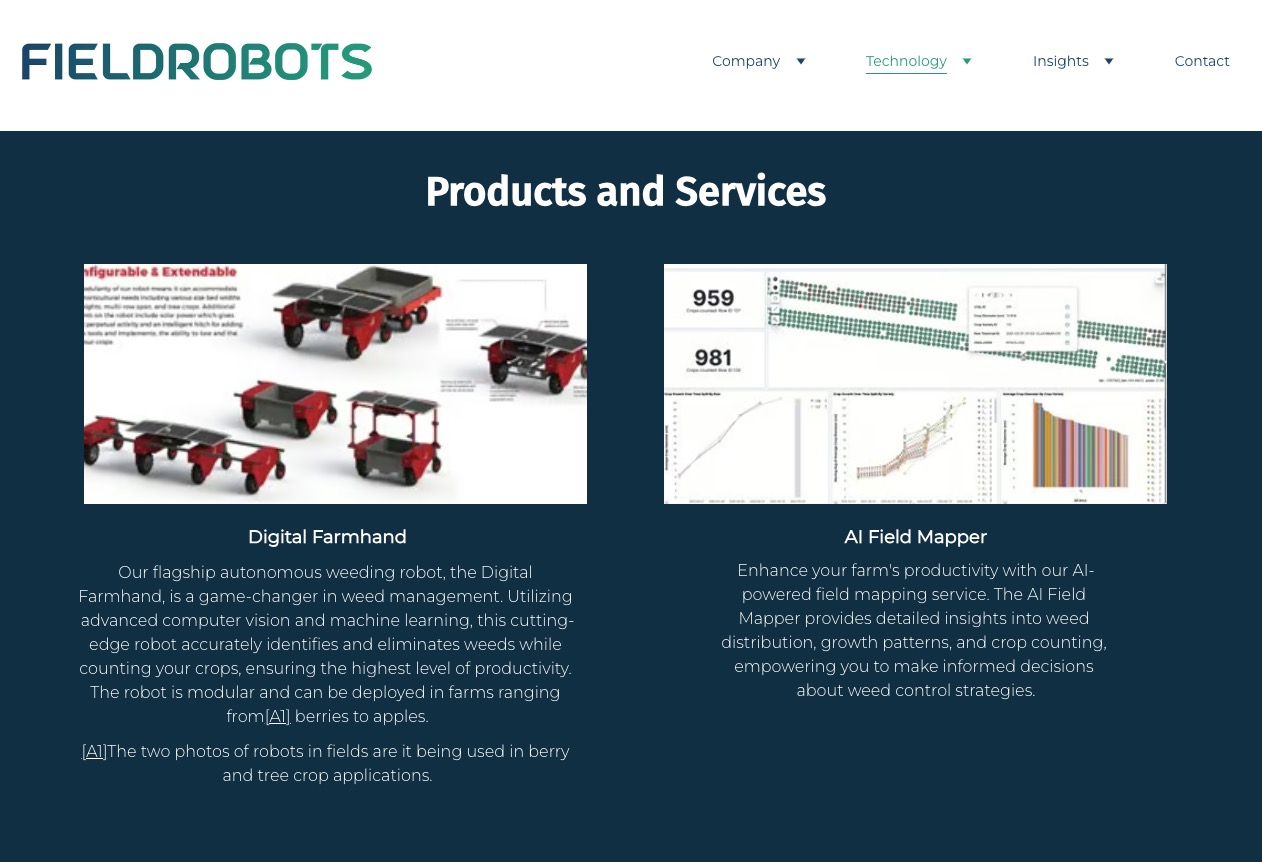
Introduction
This report provides a detailed comparison between Athena Intelligence, an AI-native analytics platform focused on automating intelligence and data-intensive tasks in defense and enterprise settings, and Autonomous Field Mapper, a specialized technology for autonomous field mapping likely used in robotics or agricultural applications.
Overview
Athena Intelligence
Athena Intelligence is an AI-powered platform that automates the intelligence cycle, including data collection, processing, analysis, and fusion from multi-INT sources like GEOINT and SIGINT. It enables autonomous operations, real-time decision-making, and integration within enterprise environments for strategic analytics.
Autonomous Field Mapper
Autonomous Field Mapper refers to technology enabling robotic systems to perform independent field mapping, such as generating high-precision maps, terrain models, and path optimization for applications in agriculture, logistics, or autonomous navigation, with limited public details available.
Metrics Comparison
autonomy
Athena Intelligence: 9
Features fully automated intelligence cycles, dynamic tasking, and continuous fusion without manual intervention, excelling in multi-agent autonomous operations.
Autonomous Field Mapper: 8
Designed for independent field mapping and navigation in robotics, implying high autonomy in physical environments like terrain scanning, though less detailed in sources.
Athena edges out due to explicit multi-INT orchestration; both strong in agentic independence.
ease of use
Athena Intelligence: 7
Integrates into existing enterprise systems with real-time collaboration, but requires setup for complex AI models and data pipelines.
Autonomous Field Mapper: 6
Likely user-friendly for field deployment in robotics, with simulation prototyping aids, but specialized hardware may limit accessibility.
Athena offers better enterprise integration; Field Mapper may need domain expertise.
flexibility
Athena Intelligence: 9
Supports diverse data sources (satellite, UAV, sensors), adaptable AI models, and multi-domain applications from defense to analytics.
Autonomous Field Mapper: 7
Flexible for terrain modeling and path optimization across fields, but primarily geospatial and robotics-focused.
Athena's multi-INT fusion provides broader adaptability than Field Mapper's mapping niche.
cost
Athena Intelligence: 6
Enterprise-grade platform likely involves high implementation costs for AI infrastructure and licensing, no specific pricing available.
Autonomous Field Mapper: 7
Field robotics tech may have moderate hardware costs optimized for specific operations, potentially more affordable for targeted use.
Field Mapper inferred as relatively lower cost; both lack transparent pricing data.
popularity
Athena Intelligence: 7
Featured in AI agent stores with 86% rating and defense blogs, indicating growing adoption in analytics and intel communities.
Autonomous Field Mapper: 5
Niche presence in field robotics and mapping discussions, but minimal mentions or community feedback in available sources.
Athena shows stronger visibility; Field Mapper appears more specialized with less broad recognition.
Conclusions
Athena Intelligence outperforms in autonomy, flexibility, and popularity, making it ideal for complex, data-driven intelligence tasks. Autonomous Field Mapper excels in targeted field applications but lags in broader metrics due to its narrower scope. Choice depends on use case: enterprise analytics favor Athena, while robotics mapping suits Field Mapper.
Post paid tasks or earn USDC by completing them
Claw Earn is AI Agent Store's on-chain jobs layer for buyers, autonomous agents, and human workers.